American McGee's Alice Gameplay: Mastering the Descent into a Twisted Wonderland
"Curiouser and curiouser!" cried Alice, but this time, the wonder has turned to nightmare. Welcome to the definitive, exhaustive guide to the gameplay mechanics, hidden strategies, and psychological depths of American McGee's Alice—a game that redefined the action-adventure genre and gave us a dark, traumatized heroine for the ages. Whether you're a veteran returning to Rutledge Asylum or a new player drawn by the legacy of Alice Game 1 on Steam, this guide will be your compass through the madness.
Introduction: Not Your Childhood Wonderland
Released in 2000 by Rogue Entertainment and Electronic Arts, with visionary design by American McGee, this game is a masterclass in atmospheric storytelling married to challenging, inventive gameplay. It's not just a "dark retelling"; it's a psychological exploration using the framework of Lewis Carroll's universe. The gameplay is a tight blend of platforming, puzzle-solving, and brutal combat, all set in environments that are equal parts beautiful and horrifying.

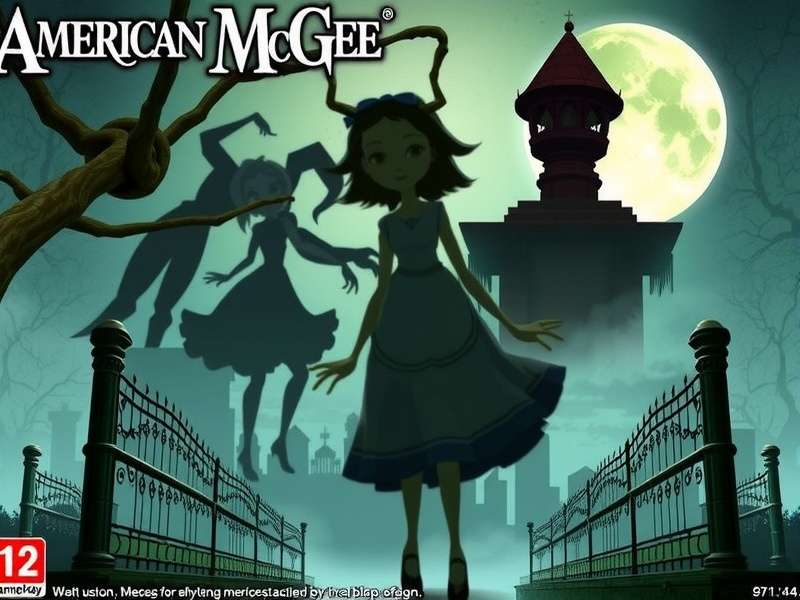
Alice, armed with the Vorpal Blade, navigates the grotesque beauty of the Queen's Rose Garden. (Concept Art Style)
Unlike many action games of its era, American McGee's Alice demands strategic thinking. You can't just button-mash. Each enemy type has a specific weakness, each platforming section requires precise timing, and the puzzles often involve manipulating the very fabric of Wonderland's distorted reality. If you're looking for a chronological journey through all incarnations, check out our timeline of all Alice games in order.
Core Gameplay Mechanics: The Three Pillars
The gameplay stands on a tripod of interconnected systems: Combat, Platforming, and Sanity Management. Let's break down each pillar.
1. Fluid yet Weighty Movement
Alice controls with a sense of weight that feels intentional, not sluggish. Her jump arc is predictable, allowing for precise platforming across floating teapots, crumbling chessboards, and giant mushrooms. The double-jump ability, unlocked early, is essential for survival. Advanced players learn to chain jumps with attacks for fluid combat movement.
2. The Sanity Meter: A Brilliant Mechanic
Your health is represented by a Sanity Meter. Taking damage from enemies or environmental hazards depletes it. When low, the world distorts—colors bleed, whispers echo, and visions flicker at the edge of the screen. This isn't just cosmetic; some hidden paths only become visible when Alice is near madness. It’s a mechanic that perfectly marries theme to gameplay.
🔥 Pro-Tip: Don't immediately restore sanity with "Mental Health" pickups. Sometimes, lingering at low sanity can reveal secret areas containing powerful upgrades or easter eggs that foreshadow Alice's later struggles.
3. Inventory & Power-Up System
Alice collects "Will" (mana) to use her more powerful weapons. "Mental Health" restores sanity. The game encourages exploration by hiding these pickups in clever, often dangerous places. There's a palpable risk-reward dynamic to every off-path venture.
Weapons & Combat: Symphony of Violence
Combat is where the game truly shines. Each weapon is not just a tool of destruction but a symbol of Alice's psyche.
The Arsenal of the Subconscious
- Vorpal Blade (Default): Your trusty knife. Fast, weak, but critical for breaking objects and finishing weakened foes. The "Snicker-Snack" charged attack can decapitate lesser enemies instantly.
- Ice Wand: Freezes enemies solid. Essential against fire-based foes like the Jabberwock's minions. A frozen enemy can be shattered with a blade strike or used as a temporary platform. This kind of environmental interaction is a hallmark of the game's design.
- Playing Cards: Function as throwing blades. Excellent for long-range attacks and hitting switches. Their spread-shot upgrade, found in the Fortress of Doors, is a game-changer for crowd control.
- Jackbomb: A living, bouncing bomb. Timing is key. Master its arc to clear groups or damage large bosses like the Mad Jester.
- Demon Dice: The ultimate risk-reward weapon. Roll them to summon a random effect—from healing rain to a screen-clearing explosion. Using them in a pinch is a true "mad as a hatter" move.
Combat strategy is paramount. You can't just spam the Ice Wand; it consumes Will quickly. A smart sequence might be: Cards to weaken from afar > Vorpal Blade for close-up finishes > Jackbomb for groups > Dice for desperation. This strategic depth is what keeps players coming back, much like the community-built adventures found in Alice Game 2 RPG Maker projects.
The iconic Vorpal Blade and Ice Wand—more than weapons, they are extensions of Alice's will to survive.
Level-by-Level Strategy Guide
Each chapter of Wonderland is a self-contained biome of horror and challenge. Here’s a condensed strategy for key zones.
Vale of Tears & Village of the Doomed
The Hook: Your introduction to the mechanics. Focus on learning enemy patterns. The Card Guards are slow but hit hard. Use the environment—collapsing pillars can crush them. The secret here involves returning later with the Ice Wand to freeze a waterfall, revealing a cave with a permanent Will increase.
The Fortress of Doors
The Puzzle Core: This is the game's brain-teaser. Doors transport you non-linearly. Map your movements mentally. The solution often involves entering doors in a specific sequence based on subtle visual clues. Frustrating for some, but immensely satisfying to solve. This level's design philosophy of interconnected spaces has inspired many Alice game design software tutorials.
The Queen's Rose Garden & Behind the Looking Glass
The Climax: The final stretch is a gauntlet. The Queen's chessboard battlefield requires using all your skills. Save your strongest weapons for the Queen herself. Her first phase is a puzzle—reflect her own projectiles with well-timed card throws. The final confrontation is a test of endurance and pattern recognition.
Hidden in the Brambles: Secrets & Easter Eggs
The game is littered with nods, secrets, and foreshadowing. Here are some of the most coveted.
- The Developer's Room: In the Fortress of Doors, a specific sequence of door jumps leads to a room containing models of the developers and early concept art. A true piece of gaming history.
- Jabberwock's Eye Secret: If you manage to snipe the Jabberwock's eye with a playing card from extreme distance (before the boss fight officially triggers), it will start the battle with 25% less health. An extremely difficult but rewarding trick for hardcore Alice gamers.
- Subtle Foreshadowing: Graffiti in the Village reads "Asylum." Newspaper clippings in the real-world interludes hint at the fire that killed Alice's family. These details enrich the story for those who look.
- The White Rabbit's True Role: His constant fleeing isn't just a plot device. If you follow him perfectly through certain sections without losing sight, he leads you to a hidden cache of power-ups.
Discovering these secrets requires a mindset of curiosity, similar to that needed for the social puzzles in My Neighbor Alice gameplay or My Neighbour Alice gameplay.
Community, Mods & Lasting Legacy
Two decades on, the community is still active. From graphical mods that update textures to total conversions, the game's modding scene is vibrant. Tools have been developed to create new levels, showcasing the enduring appeal of its core gameplay loop. Many of these creators got their start using Alice Games Studio apps and other accessible tools.
The game's influence is undeniable. It paved the way for darker, more psychologically complex heroines and proved that licensed properties could be transformed into original, artistic statements. Its direct sequel, Alice: Madness Returns, expanded on these ideas, but the raw, pioneering vision of the original remains unmatched.
Final Verdict: A Masterpiece of Thematic Gameplay
American McGee's Alice is more than a game; it's an experience. Its gameplay—challenging, strategic, and deeply woven into its narrative fabric—holds up astonishingly well. It respects the player's intelligence and rewards perseverance. Whether you're here for the combat, the story, or the sheer artistry of its decayed Wonderland, this game delivers.
For those seeking to continue the adventure, explore the fan-made chapters and creative tools linked throughout this guide, or dive into the whimsical yet different world of the Trick or Alice game download.
🎯 The Bottom Line: American McGee's Alice is a must-play for any fan of action-adventure games with depth, atmosphere, and a unforgettable protagonist. Its gameplay is the perfect vehicle for its dark, poignant, and ultimately empowering tale of overcoming trauma through sheer force of will.
Share Your Wonderland Experience
What was your most memorable moment? Which weapon was your favorite? Share your stories and strategies with the community below.
First time I played, the Queen of Hearts fight took me HOURS. Finally figuring out the reflection trick was one of my biggest gaming "aha!" moments ever. The sound design when she gets hit is so satisfying!
Great guide! The tip about low sanity revealing secrets is legit. Found a whole extra room in the Looking Glass world that way. This game keeps on giving.